



How Jewelry E-Commerce Businesses Use Product Collections to Manage Inventory and Revenue

Jewelry retailers often manage hundreds of products across different metals, gemstones, styles, sizes, and price points. That variety can make inventory expensive and difficult to control. Each item ties up capital until it sells, while changing customer preferences can leave slower products sitting in stock. Inventory systems that connect stock counts with sales can help retailers see what is available and identify products that need attention. Square explains that modern retail inventory systems can automatically adjust stock levels as sales occur, giving businesses a clearer picture of available merchandise.
Product collections provide one way to make a large catalog easier to manage. Customers who shop Aqua Gold Jewelry, for example, can encounter jewelry grouped into collections rather than having to examine an entire inventory without structure. The same approach is common across e-commerce. Shopify notes that retailers can organize merchandise by product type, theme, color, sale status, season, or customer intent, while collections can also appear as dedicated storefront pages.
1. Product Categorization Turns a Large Catalog Into Manageable Groups
The first business consideration is deciding how products should be grouped. A jewelry store might create collections for rings, bracelets, chains, earrings, gemstone pieces, gold-plated products, or premium items. Products can also belong to several useful groupings when the underlying e-commerce system supports that structure.
Good categorization serves both customers and store managers. Shoppers can move toward relevant products more quickly, while the business gains clearer groups for reporting and merchandising. Google Merchant Center allows retailers to submit their own product-type hierarchy and use it to organize Shopping campaign bidding and reporting. This illustrates how product classification can support activities beyond website navigation.
2. Inventory Turnover Shows Where Cash Is Moving
Collections can also make sales patterns easier to interpret. Instead of looking only at individual items, managers can compare groups such as sterling silver bracelets, gemstone rings, or higher-priced gold pieces. A collection with frequent sales may justify regular replenishment. A slow-moving collection may require smaller future orders or a different merchandising approach.
Accurate stock data matters here because decisions based on outdated quantities can lead to overbuying or missed sales. Square states that inventory tracking can update stock as transactions occur and can provide alerts when items are running low. Combining those records with collection-level sales data gives retailers a practical way to assess which parts of the catalog are turning over efficiently.
3. Pricing Segmentation Helps Retailers Understand Different Buyers
Jewelry catalogs often cover wide price ranges. A retailer may therefore create collections around entry-level gifts, mid-range everyday jewelry, and premium pieces. This makes the storefront easier to browse while helping the business examine demand at different price points.
Price-based grouping can also support more focused advertising. Shopify allows collection conditions to incorporate product characteristics and pricing, while Google Merchant Center uses detailed product information such as price, category, and product type within merchant data. These tools give retailers a structured foundation for measuring how different merchandise groups perform.
4. Seasonal Collections Help Match Inventory With Changing Demand
Jewelry demand can shift around gifting periods, weddings, holidays, and promotional events. A store does not necessarily need to rebuild its entire catalog when those periods arrive. It can temporarily bring relevant merchandise together in seasonal collections.
Shopify specifically identifies seasonal merchandise as a common use for collections and allows retailers to schedule when collections are published. A jewelry company could therefore prepare a holiday gift selection or Valentine’s-themed assortment while maintaining its permanent product categories in the background.
This approach can also reduce merchandising clutter. Once a seasonal period ends, the collection can be removed from prominent navigation while the products themselves remain available elsewhere when appropriate.
5. Organized Collections Can Support Customer Acquisition
Collections have value outside the store’s internal inventory system. They can create more focused landing pages for advertising, search traffic, email campaigns, and social promotions. Someone looking for bracelets may respond better to a bracelet collection than to a general homepage containing every product category.
Product organization can also carry into advertising platforms. Google Merchant Center explains that retailer-defined product types can be used to organize Shopping campaign bidding and reporting. This means the same logical structure used to manage a catalog can help businesses examine marketing performance across specific merchandise groups.
From Product Organization to Better Business Planning
Collections work best when they are treated as more than visual sections of a website. For management purposes, each group can become another way to examine demand, stock movement, pricing, and marketing results. Retailers can also consider how supply chain relationships affect product availability, purchasing costs, and inventory planning. A retailer might discover that lower-priced bracelets sell steadily while a premium collection generates fewer transactions but more revenue per order.
Those differences can influence purchasing decisions. Managers can increase orders for dependable sellers, limit capital committed to slow-moving categories, and test smaller quantities before expanding newer collections. Stock information becomes especially useful when sales records and product classifications are maintained consistently.
Over time, this structured data can contribute to cash flow planning as well. Retailers can see where money is tied up in inventory, which categories deserve additional purchasing funds, and which collections may need different pricing or promotion strategies. Product collections therefore serve two connected purposes. They make jewelry easier for customers to discover while giving businesses a clearer framework for managing inventory, revenue, and longer-term growth.












 Senior executives, regional directors, and specialised talent all need homes and not just any homes. They look for quality, location, privacy, and convenience, which is why developments such as Pinery Residences increasingly appeal to this mobile, high-income segment.
 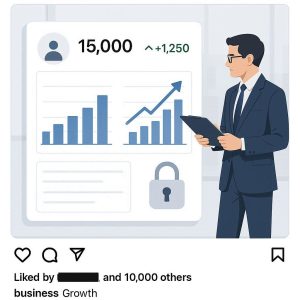 In business, having a strong social media presence is no longer optional. For many brands, especially small businesses and startups, Instagram has become a go-to platform for attracting new customers, building trust, and increasing visibility. However, growing your Instagram followers organically can be slow and challenging. That’s where a secure follower service comes in. When used properly, it can be a safe and smart way to support your marketing goals.
 Using an AI app like
 Crypto markets move fast, with price fluctuations happening in seconds. Investors who rely on manual analysis often struggle to keep up. AI-powered trading is changing this, making it easier for traders to navigate volatile markets precisely and quickly.